














Pediatric Glioma
Molecular Mechanisms and Therapeutic Translation in Pediatric High-Grade Glioma
Neyazi Research Group
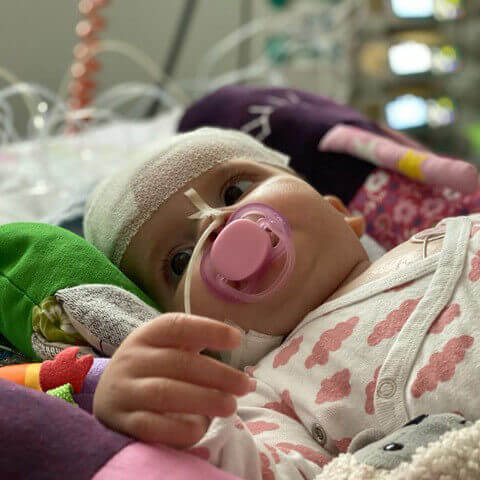
Pediatric high-grade gliomas are aggressive childhood brain tumors for which there is currently no cure. These tumors include diffuse midline gliomas (also known as DIPG) and pediatric glioblastomas. Despite progress in understanding the biological changes that drive high-grade gliomas, no effective treatments have yet been developed. Sina Neyazi’s team is investigating the molecular characteristics of these tumors using innovative methods in tumor samples and patient-derived models. The group has a particular focus on studying metabolic changes that allow pediatric high-grade glioma cells to grow and spread uncontrollably. In additional projects, her group is examining how specific genetic alterations in tumor cells influence the development of high-grade gliomas and their response to treatment. The aim of this work is to better understand this aggressive disease and to develop innovative treatment approaches.
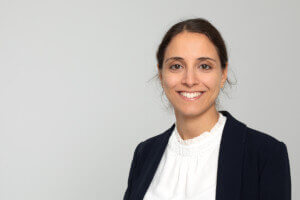
After studying medicine at Hannover Medical School, Sina Neyazi completed her doctoral research at the University of Halle, focusing on pediatric leukemia supported by a fellowship from the German Cancer Aid. In 2020, she began her clinical training in the Department of Pediatric Hematology and Oncology at the University Medical Center Hamburg-Eppendorf. At the same time, she conducted research at the Research Institute Children's Cancer Center Hamburg, where she investigated the development and classification of pediatric brain tumors with the support of a Clinician Scientist fellowship from the University Cancer Center Hamburg.
In 2022, she moved to the United States for a three-year postdoctoral fellowship at the Dana-Farber Cancer Institute and Boston Children’s Hospital, Harvard Medical School, with funding through the Walter Benjamin Program of the German Research Foundation. During this time, Sina Neyazi investigated pediatric high-grade gliomas using innovative high-resolution molecular approaches and identified important changes in cancer cell signaling pathways and metabolism. Her work contributed to the development of a targeted therapy for patients with specific genetic alterations in their tumor cells, which is already being applied in clinical trials.
Since returning in 2025, Sina Neyazi has continued her clinical work in pediatric oncology and, since 2026, has been establishing her own research group at the Research Institute Children's Cancer Center Hamburg.
no information available yet
[1] Mayr L*, Neyazi S*, Schwark K*, Trissal M*, et al. Effective targeting of PDGFRA-altered high-grade glioma with avapritinib. Cancer Cell. 2025;43(4):740-756.e8. doi:10.1016/j.ccell.2025.02.018
[2] Neyazi S*, Yamazawa E*, Hack K*, et al. Transcriptomic and epigenetic dissection of spinal ependymoma (SP-EPN) identifies clinically relevant subtypes enriched for tumors with and without NF2 mutation. Acta Neuropathol. 2024;147(1):22. doi:10.1007/s00401-023-02668-9
[3] Al-Kershi S*, Bhayadia R*, Ng M*, et al. The stem cell-specific long noncoding RNA HOXA10-AS in the pathogenesis of KMT2A-rearranged leukemia. Blood Adv. 2019;3(24):4252-4263. doi:10.1182/bloodadvances.2019032029


Patients´ Story