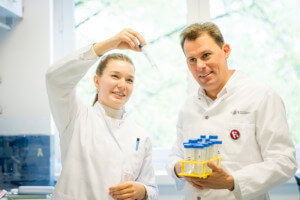
In 2021, the Fördergemeinschaft Kinderkrebs-Zentrum Hamburg e.V., together with the Clinic for Pediatric Hematology and Oncology (PHO), will continue to offer four grants (800 EUR / month each) for medical students, who are interested in a dissertation in the field of pediatric cancer research (1 year / full-time / start: October 1, 2021). Current topics in pediatric hematology and oncology are: leukemogenesis, signaling networks, immunotherapy, brain tumors, stem cell transplantation, developmental neurobiology and lymphomas.
Procedures and deadline
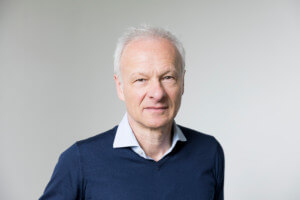
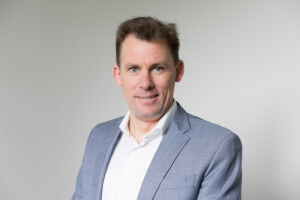
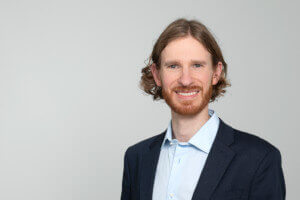
If you are interested, please send your application with CV, letter of motivation, certificates (iMed certificate / physics / Abitur) as a single PDF file by June 30, 2021 to Astrid Evert (buero@kinderkrebs-forschung.de, Tel: 040 / 42605- 1210). Selection committee: Prof. M. Horstmann, Prof. I. Müller, Prof. S. Rutkowski, Prof. U. Schüller.
Translational promotion of young scientists
Promotion of young medical scientists is a central focus of our research institute. The institute is integrated into an excellent research network through cooperation agreements with the Hamburg University Medical Center Hamburg-Eppendorf (UKE) and with the Heinrich Pette Institute Leibniz Institute for Experimental Virology (HPI). Our approach: Support experimental research and training of young scientists in the field of pediatric oncology.
Despite the critical importance of the early B-cell factor 1 (EBF1) in the development of B-cells, the frequency of mutations found in acute lymphoblastic leukemias affecting this factor only represent less than 5%. Related to this, we have previously reported that the aberrant expression of the EBF1-antagonist ZNF423 is implicated in B-cell leukemogenesis, but the underlying molecular mechanism has not been comprehensively described. In this study, we have analyzed the presence of ZNF423 on large data sets of primary acute leukemia samples. These analyses revealed a widespread presence of ZNF423 in various subtypes of acute lymphoblastic leukemia (ALL), while it was completely absent in other types of leukemia like acute myeloid leukemias (AML). This interesting finding led us to develop a cellular model of pro-B leukemia by using CRISPR-Cas9–technology to disrupt the expression of ZNF423. Using this model, we observed that the disruption of ZNF423 decreased cell viability and also prolonged the survival of mice xenotransplanted with cells lacking ZNF423. To complement these data, we not only mapped for the first time the genome-wide binding pattern of ZNF423 but also investigated the different epigenetic marks of the genome regions attached by ZNF423 and their corresponding transcriptomes. Thereby, we identified the mechanisms by which this protein regulates differential gene activities in a B-lineage context. In addition, we characterized the role of ZNF423 in integrating the transcriptional programs of EBF1 and SMAD co-factors. Among a variety of biological functions, SMAD proteins are in charge of propagating developmental and growth signals of critical importance for cells. Exemplarily, we show how ZNF423 offsets EBF1 in regulating the SMAD-regulated gene TGFB1, which is essential for the normal development of hematopoiesis.
In summary, we show that the net effect of ZNF423 action leads to a significant attenuation of EBF1-dependent transcription on a genome-wide scale. Given its wide prevalence and impact on various subtypes of acute lymphoblastic leukemias, we believe that ZNF423 might play a hitherto underestimated role in leukemogenesis.
ATRTs (atypical teratoid / rhabdoid tumors) are rare, but highly aggressive malignant diseases of the central nervous system in childhood that often occur in the first twelve months of life. Genetic causes of these tumors are mutations in SMARCB1 (over 95%) or - much less - in SMARCA4, which lead to the inactivation of the respective gene product. In the SMARCA4 mutated cases, scientists assume a higher frequency of germline mutations, a younger age of the patients and a presumably even worse prognosis compared to SMARCB1-deficient ATRTs - but molecular data supporting these differences were still missing.
Based on their DNA methylation profiles and their gene expression, SMARCB1-mutated ATRTs are divided into three different molecular subgroups: ATRT-TYR, ATRT-SHH and ATRT-MYC. These differ in terms of age at diagnosis, tumor location, type of SMARCB1 changes, and overall survival. It was unclear, whether the much less well investigated ATRT-SMARCA4 can be counted to one of the described ATRT subgroups, and if yes, to which one. In the frame of an international team effort, Dr. Dörthe Holdhof from the Schüller group has now succeeded in creating clarity here. The team was able to show that the samples form a separate subgroup within the rhabdoid tumors and that these are molecularly distinct from SMARCB1-mutated ATRTs and also from SMARCA4-deficient extracranial rhabdoid tumors. For example, the level of global DNA methylation in ATRT-SMARCA4 is significantly reduced and the signature genes of the established subgroups in these tumors are not upregulated.
For the investigation, the collected the largest ATRT-SMARCA4 series to date with a number of 14 samples. In addition, they made use of a molecular biological characterization of the ATRT-SMARCA4 for the first time by performing global DNA methylation analyzes and RNA sequencing. "The rare entities show us how far we are from the complete recording and understanding of childhood brain tumor entities," explains Dörthe Holdhof. “Classification levels always have a prognostic and therapeutic relevance. We hope that our research paves the way for further investigations, which will ultimately lead to improved diagnostics and new therapeutic options. ”The data are published in the current issue of the journal Acta Neuropathologica. Click here for the publication (Acta Neuropathologica https://doi.org/10.1007/s00401-020-02250-7)
Strengthening cancer research and cancer prevention on a national level and networking the actors more closely - this is the declared aim of the Nationale Dekade gegen Krebs, an initiative launched by the Federal Ministry of Education and Research (BmBF) and the Federal Ministry of Health (BMfG). The research institute Kinderkrebs-Zentrum Hamburg is now involved in this nationwide campaign and advocates increased research in childhood cancer. Professor Dr. Martin Horstmann, scientific director of the institute: “It is very important to us that pediatric cancer research is included in this nationwide commitment. Childhood cancer is largely ignored by the research industry. All the more important is this BmBF / BmfG coordinated initiative, which anchors the issue of childhood cancer more firmly in the awareness of politics and the health industry. Children are still the biggest losers in the fight against cancer, as it robs them of most of their years of life or reduces their quality of life through long-term treatment effects. Closely networked with the pediatric study centers of the Universitätsklinikum Hamburg-Eppendorf (UKE) and the clinical patient care at the Children's Cancer Center Hamburg, we conduct research into the most common childhood cancers. With this political commitment, we want to make a nationwide contribution to making children's cancer research heard and to expand research funding in this area.„
What are the special challenges in the area of research, therapy and long-term effects? What does the diagnosis mean for affected families? In the current readout of the member magazine DER SCHMETTERLING, the Fördergemeinschaft Kinderkrebs-Zentrum Hamburg e.V. . presents our current research in the field of child brain tumors. The new edition is available for download.
Medulloblastoma is the most common malignant brain tumor in early childhood. Due to its genetic diversity, the course of the disease and the chance of recovery are very different. The treatment of medulloblastoma is often difficult - also because there is a lack of knowledge about tumor formation and development. The children who survive will have physical impairments throughout their lives – especially when radiation therapy of the head becomes necessary in the course of treatment. Therefore, the aim of young children therapy is to avoid radiation therapy despite its high effectiveness.
For young patients in particular, a new therapeutic approach that dispenses with the highly harmful craniospinal radiation could pay off. The research group around Dr. Mynarek and Prof. Rutkowski at the University Medical Center Hamburg-Eppendorf, in cooperation with partner institutes throughout Germany, Austria and Switzerland, found out that children under four years of age benefit from a combined therapy of systemic chemotherapy and chemotherapy that is administered directly into the brain ventricles. The study results give reason to believe that combined systemic chemotherapy together with intraventricular methotrexate (MTX) not only minimizes long-term effects in certain entities, but also leads to more favorable survival rates. The HIT-2000-BIS4 study draws on data from 87 patients who developed medulloblastoma from 2001-2011 and were not older than four years. Sample material from Prof. Dr. Ulrich Schüller, who works at the Research Institute for the Children's Cancer Center in Hamburg and at the Institute for Neuropathology at the UKE, were used. In addition, the medulloblastoma specialist acted as an important point of contact for the evaluation and interpretation of the study results. “The exchange with Professor Schüller was always constructive and methodologically extremely valuable for us - due to his function as a neuropathologist as well as his expertise in the field of medulloblastoma research. Thanks to the close networking and bundling of competencies, we are able to further develop Hamburg as an important location for brain tumor research”.
Mynarek M et al. Nonmetastatic Medulloblastoma of Early Childhood: Results From the Prospective Clinical Trial HIT-2000 and An Extended Validation Cohort. Journal of Clinical Oncology, Onlinevorabveröffentlichung am 24. April 2020, DOI: 10.1200/JCO.19.03057
Once a year, the UCCH Research Retreat is probably the most popular opportunity for all Hamburg cancer researchers to get to know each other and exchange ideas. Even though the meeting was held virtually this time, there were, in addition to substantial talks, poster presentations, and young research prizes, again four grants, which give young doctors the opportunity to conduct research in parallel to their clinical work (so called Clinician Scientists). Sina Al-Kershi is one of these four Clinician Scientists. The young doctor from the PHO will have the opportunity to work with Professor Dr. Ulrich Schüller to research in the field of childhood brain tumors. Her main goal is to better understand the biology of malignant rhabdoid tumors and to make it therapeutically useful. "It is extremely important to give physicians the space and time to do their own research and thus gain an understanding of scientific work and basic molecular research," Professor Dr. Ulrich Schüller. His group is working intensively on the biological understanding in the field of childhood brain tumors and the faster transfer of molecular results to medical application. This is urgently needed, because childhood brain tumors are the second most common childhood cancer. Please find out more about our brain tumor research here.
About the UCCH Research Retreat: The UCCH Research Retreat, which traditionally takes place annually in Jesteburg, was held for the first time as an online format this year. Over 70 scientists at UCCH met virtually to exchange their research results and to choose the best young scientists.
The three doctoral students of Professor Dr. Ulrich Schüller have a common vision: beat children’s cancer. Melanie Schoof, Dörthe Holdhof and Malte Hellwig have been doing intensive research on pediatric brain tumors since the end of 2016 as part of their doctoral theses. Their vision: a better understanding of the development of tumors with the aim of identifying new therapeutic targets. The results are top marks and a hand tool on which their future career can be based: perseverance, the ability to work experimentally and to publish successfully.
Melanie Schoof: CBP. All-rounder and tumor suppressor
Melanie Schoof's research work includes mutations of the coactivator CBP. The protein is involved in a lot of transcription processes - development as well as in the adult organism. Mutations in the protein can lead to the onset of serious diseases such as the Rubinstein-Taybi syndrome (RSTS), a neuro-developmental disorder that entails mental retardation, among other things. Melanie Schoof was able to uncover further properties of the protein as part of her doctoral thesis: On the one hand, she investigated the influence of CBP in brain development and homeostasis in mouse models. "We were able to find abnormalities in the neurogenic zones of the brain, the hippocampus and the subventricular zone and show that CBP is important for both neuronal migration and morphology," explains Melanie Schoof. In addition, she was able to expose the protein as a tumor suppressor in various tumor entities. "The loss of CBP in combination with N-myc leads to the development of aggressive brain tumors," says Schoof. "Tumors in the forebrain and hindbrain developed in the mouse model and this is exactly where our work continues. We want to find out how the two proteins work together and how we can transfer this knowledge to various human diseases.”
https://link.springer.com/article/10.1186/s40478-019-0849-5
Dörthe Holdhof: Brg1
Also Dörthe Holdhof's research is about the development of pediatric brain tumors: It deals with atypical teratoid / rhabdoid tumors (AT/RTs - a rare malignancy of the central nervous system from the group of embryonic tumors that occurs almost exclusively in infants and toddlers. "Numerous processes in early embryonic and brain development depend on correct Brg1 expression," explains Dörthe Holdhof. She found out, that Brg1 plays essential roles in brain development in both hGFAP and Sox2 positive stem cells, whereas the protein performs less critical functions in cerebellar progenitor cells after birth. The conditions under which the loss of Brg1 leads to the formation of AT/RTs will be investigated in a follow-up project.
https://pubmed.ncbi.nlm.nih.gov/31504276/
Malte Hellwig: TCF4 influences brain architecture and tumor activity
The focus of Malte Hellwig's research is on a special germline mutation in transcription factor 4 (TCF4) that causes a developmental disorder with severe intellectual disability, the so-called Pitt-Hopkins syndrome (PTHS). In mouse models, TCF4 was defined as essential for the correct development of the cerebellum and the hippocampus - both extremely important regions of the brain. Malte Hellwig also researched spontaneous mutations in TCF4 that only occur in adult patients with a medulloblastoma (tumor of the cerebellum) of the SHH subtype. In cell culture and in mice, the researcher was able to reproduce the situation and recognize that TCF4 may have a tumor suppressive effect in later phases of brain development. The loss of TCF4 therefore leads to an increase in the proliferation of the tumor cells.
https://onlinelibrary.wiley.com/doi/full/10.1111/ejn.14674
https://link.springer.com/article/10.1007%2Fs00401-019-01982-5
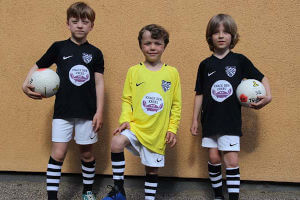
The campaign is initiated and financed by two fathers, Mischa Karafiat and Wolfgang Brückner. Both are particularly concerned to raise public awareness of research in children´s cancer. In addition, they would like to promote the voluntary commitment in soccer. “Behind both clubs there are people whose work fundamentally benefits our society as a whole. This happens millions of times a day without adequate attention and appreciation. Instead of individual financial success, we consciously focus on the social engagement of both clubs with this type of cooperation", explains Wolfgang Brückner. Thank you very much for this exemplary engagement.
As part of the new C19.CHILD Hamburg study, the UKE is examining the severity and frequency of an infection with the new corona virus in 6,000 children and adolescents. Data from pediatric risk groups will also be compared - i.a. children after a stem cell transplantation. The Fördergemeinschaft Kinderkrebs-Zentrum Hamburg e.V. supports the research project with a donation of 50,000 euros. Furthermore, the Forschungsinstitut Kinderkrebs-Zentrum Hamburg provides technical assistants for the study. Professor Dr. Martin Horstmann, the scientific director of the institute: “We have been researching the molecular basis of childhood cancer, improved diagnostics and the further development of innovative treatment methods for almost 15 years. The data from the UKE study will be important for us in order to be able to make reliable statements about the role of Covid-19 for children with cancer ”.