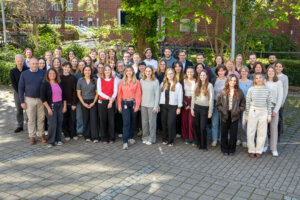
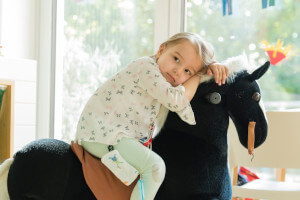
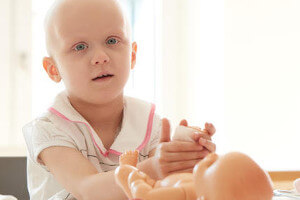
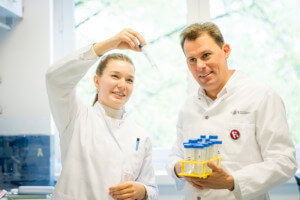
In the period from November, 8 to December, 12, we are drawing the attention of the Hamburg population to the topic of childhood cancer research with large posters in the Hamburg city area. Approximately 50 employees of the research institute are pursuing the goal of curing for all affected children in the future - without side effects and late effects in cooperation with children cancer research institutes worldwide. #knackdieletzten20
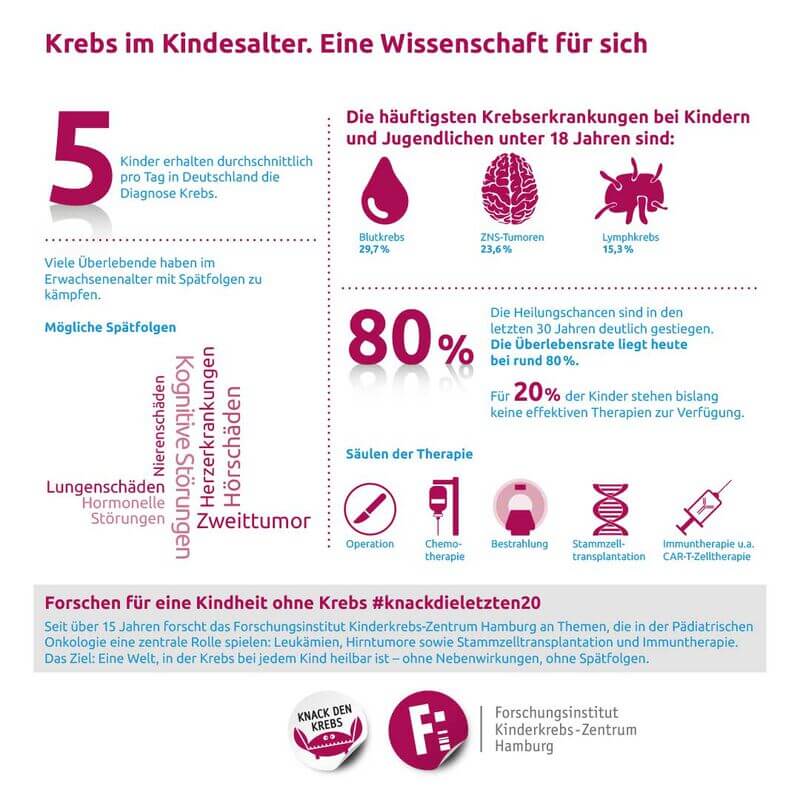
Childhood tumors differ from those of adults and require treatment concepts specifically tailored to young patients. The most common forms are blood cancers (leukemias), brain tumors and tumors of the lymphatic tissue. Carcinomas, on the other hand, which account for more than 90 percent of new cases in adults, are rare.
Targeted research on childhood cancers is needed to increase cure rates and reduce side effects such as late effects.
Only a few people know: Funding and public attention for childhood cancer research are limited due to low case numbers, and childhood cancer research is particularly dependent on support through donations.
Poster of the campaign (download: see box below the picture):

Rhabdoid tumors (RT) are rare, but very aggressively growing tumors that occur in children during the first two years of life and can affect both the brain (intra-) and other (extra-) cranial organ systems (kidney, soft tissues). Despite extensive genetic homogeneity, RT are divided into four subgroups (ATRT-TYR, -MYC, -SHH, -SMARCA4). Their treatment sometimes challenges physicians, because current therapies, such as radiation, are associated with severe side effects due to body size and age. To open the way for new, effective therapies, the aim of research is to understand the origin and biology of tumors as fully as possible. This includes the key-question of anatomical or cellular origin, since this knowledge is essential to develop reliable models, on which tumor development can be observed or new substances can be tested for their efficacy. In a recent publication in Nature communications, Professor Dr. Ulrich Schüller, together with researchers from the Department of Pediatrics and Adolescent Medicine / Pediatric Hematology and Oncology at Münster University Hospital, was able to identify a common genetic program for the subgroup of ATRT-MYC tumors and for the first time gather evidence that the tumors may have their origin in fetal primordial germ cells. In addition, the researchers have succeeded in discovering a promising therapeutic approach in models - DNA methyltransferase inhibitor - that in the future could be used in both the MYC and SHH subgroups. "Through this joint research with Münster University Hospital, we were able to use specific models as well as single cell transcriptomatics to identify potential cells of origin of MYC-rhabdoid tumors and check the clinical relevance of DNA methyltransferase inhibitors as a potential therapeutic option," confirms Prof. Dr. Ulrich Schüller.
Click here for the current publication
Dr. Sina Neyazi from AG Schüller has been awarded the Selma Meyer Dissertation Prize at the annual meeting of the German Society for Pediatrics and Adolescent Medicine. This prize is in memory of the Jewish pediatrician Selma Meyer, who in 1927 was the first woman to be appointed associate professor of pediatrics. With it, the DGKJ honors a "forward-looking pediatric doctoral thesis." Sina Neyazi studied in Hanover and earned her doctorate at the MHH and the University of Halle-Wittenberg. In her dissertation, she decribed the role of a new non-coding RNA in the development of acute myeloid leukemias (AML) in children. Since 2020, Sina Neyazi has been an assistant physician at the Clinic for Pediatric Hematology and Oncology (UKE) and has been participating in the Clinician Scientist Program of the Research Institute since January 2021.
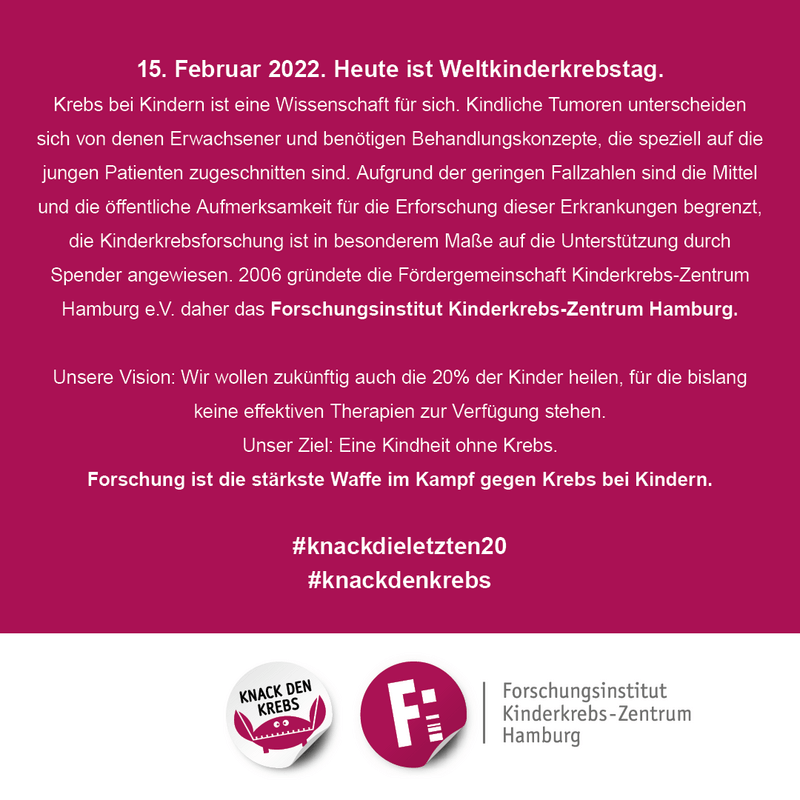
Today is World Childhood Cancer Day, which takes place annually on February 15 and raises public awareness for childhood cancer.
Every year, around 2,000 children in Germany are diagnosed with cancer. Thanks to improved treatment options, around 80 percent of children can be cured today. But even if the chances of survival have improved, the disease is an extreme burden for the child and their family. In addition to the severe side effects of the therapy and the concern about late effects, the families are faced with psychosocial problems that are difficult to cope with.
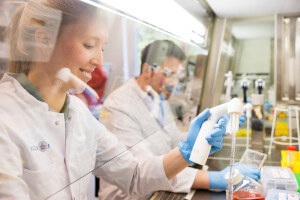
Research is the most powerful weapon in the fight against childhood cancer. Here at the Research Institute Children's Cancer Center Hamburg, around 50 researchers conduct research on topics that play a central role in pediatric oncology: Leukemias, brain tumors as well as stem cell transplantation and immunotherapy.
#knackdenkrebs #knackdieletzten20
The Mildred Scheel Young Investigators Centres (MSNZ) are funding programs initiated by Deutsche Krebshilfe to enable the establishment of sustainable structures to strengthen young scientists at various medical faculties - including the University Medical Centre Hamburg-Eppendorf. Specifically, the centres have set themselves the goal of strengthening the next generation of scientists in oncology and thus contributing to nationwide structural improvements in the future.
At a symposium, Hamburg researchers now have the opportunity to network with potential cooperation partners and laboratories from Hamburg and Schleswig-Holstein. Judith Niesen from AG Schüller is co-organizer of the symposium. "A good network of cooperation partners is very important for researchers - for the current research project, new ideas but also for future career planning and networking. The cooperations can promote the way of pre-clinical research results into clinical practice. This is a great benefit for cancer patients . We would like to invite all interested researcher’s to inform themselves about possible collaborations and to discuss potential collaborations.”
Join us for this exciting online event on February 10, 2022 via Zoom and meet & discuss with our research partners!
Zoom Meeting (expired)
This year, the Schüller group was represented by five scientists at the most important international meeting on neuro-oncology. After cancelling in 2020, the latest research results could be presented and discussed in presence again. Prominent topics of the meeting were developments in immunooncology, single cell sequencing and cancer neuroscience. The trip was partly supported by the Fördergemeinschaft Kinderkrebs-Zentrum Hamburg. Ulrich Schüller and his team presented their research projects on medulloblastoma, glioblastoma, and ependymoma (all meeting papers at https://academic.oup.com/neuro-oncology/issue/23/Supplement_6#1302913-6426833) and aim to further collaborate with other research groups around the world.

A world without childhood cancer - without side effects, without late effects. This is our vision. Research is our most powerful weapon in the fight against cancer. The Cancel Cancer campaign shares our vision and makes a strong case for pediatric cancer research at our institute. Many thanks to UFA, Create to Care, Camcore, chairman Nico Hofmann, to all actors and presenters, as well as to Timo Wentzel and Daniel Littau, who brought this initiative to life.
You are currently viewing a placeholder content from Default. To access the actual content, click the button below. Please note that doing so will share data with third-party providers.
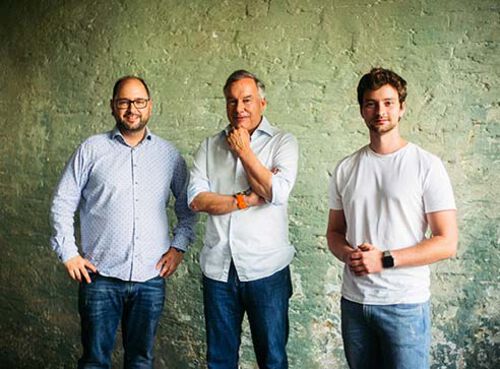
(c) Sebastian Sellner
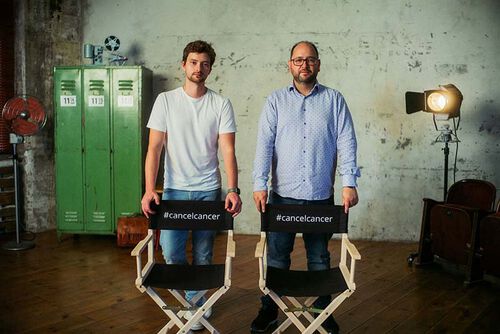
(c) Sebastian Sellner
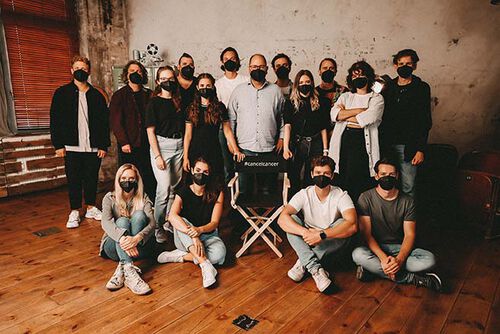
(c) Sebastian Sellner
Brain tumors make up the second most common childhood cancers after leukemias, and some tumor types are still associated with a very poor prognosis. For the last six years, Professor Ulrich Schüller's research group has been investigating the cellular origin, pathogenesis and therapeutic options of medulloblastomas, atypical teratoid/rhabdoid tumors (AT/RT) and ependymomas. Three prizes have now been awarded for the work of these scientists, and we offer our sincere congratulations. Here are the awards and their winners:
Ms. cand. med. Denise Yang receives the prize for the best publication at UKE with student first authorship. Thematically, it deals with histological and epigenetic changes that occur in the recurrence of ependymomas.
(Ms. Denise Yang; Endowment: 500 Euro; Title of the paper: Ependymoma relapse goes along with a relatively stable epigenome, but a severely altered tumor morphology ; published in Brain Pathology 2021, https://onlinelibrary.wiley.com/doi/10.1111/bpa.12875)
Another prize was awarded at the European Neuropathology Congress for the best poster in the field of "tumors". This award recognizes the work of Ulrich Schüller and Michael Bockmayr, whose project makes an important contribution to a better understanding of spinal ependymomas.(Endowment: 400,- € + textbook; title of the paper: Myxopapillary ependymomas comprise two subgroups with distinct age, histomorphology, DNA methylation, gene expression, and clinical outcome)
Finally, Ulrich Schüller received the second prize of the "Best publication award" of the Federation of European Neuroscience Societies (FENS). The study deals with the role of Tcf4 in brain development. (First authors of the study: Melanie Schoof and Malte Hellwig; endowment: 1500 Sterling Pounds; title of the paper: The basic helix-loop-helix transcription factor TCF4 impacts brain architecture as well as neuronal morphology and differentiation; published in European Journal of Neuroscience 2020, https://onlinelibrary.wiley.com/doi/10.1111/ejn.14674)
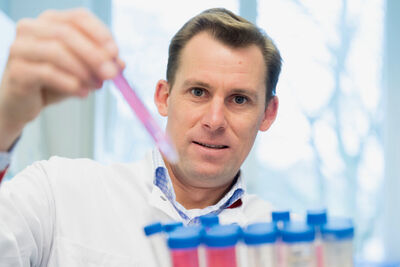
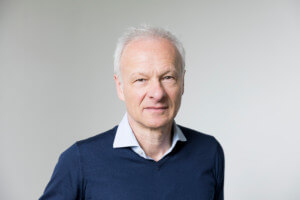
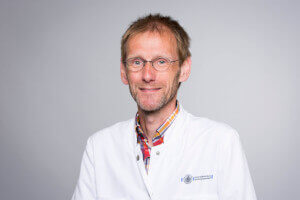
Prof. Dr Ulrich Schüller
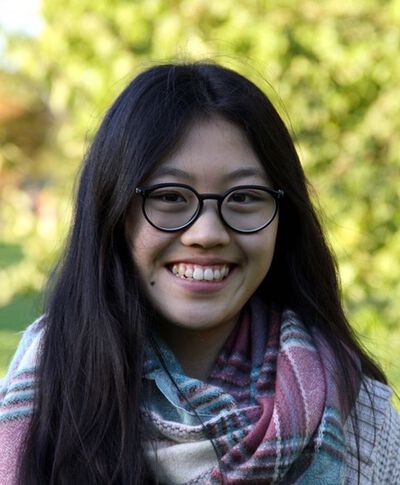
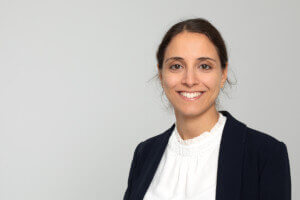
cand. med. Denise Yang
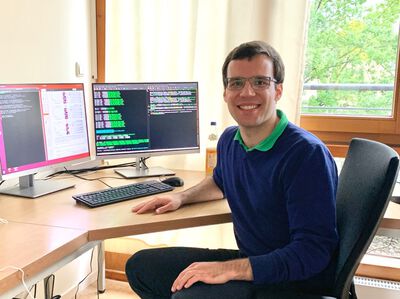
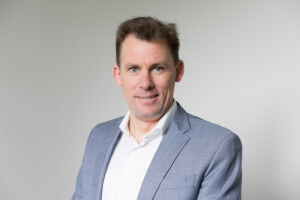
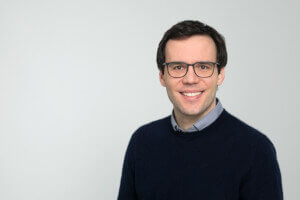
Dr. Michael Bockmayr
The infiltration of tumor infiltrating lymphocytes (TILS) into a tumor allows statements on the immune response as well as prognoses on therapy success and survival outcomes. In order to make this biomarker more useful for childhood brain tumors, a practical technique that is oriented towards diagnostic routine has been lacking until now. With DIMEimmune, Professor Schüller's research team has now developed an analysis tool that can be applied to DNA methylation data and derive statements about TIL frequencies in the microenvironment of childhood brain tumors. "We developed DIMEimmune using an approach based on differential methylation and principal component analysis, which helps us estimate CD4+ and CD8+ T cell frequencies and tumor infiltrating lymphocyte (TIL) counts from bulk methylation data," explains Michael Bockmayr, MD, who is also a pediatrician working in pediatric oncology and was the lead investigator of the study together with Prof. Schüller. The method has already been used for childhood gliomas, medulloblastomas, atypical teratoid/rhabdoid tumors (ATRTs) and ependymomas. This showed that high-grade gliomas had higher levels of tumor-infiltrating lymphocytes than low-grade gliomas. In medulloblastoma subgroups, there were few tumor-infiltrating lymphocytes overall. In contrast, ATRTs were heavily infiltrated by lymphocytes. In the future, DIMEimmune may help as an additional prognostic or predictive factor in childhood CNS therapy optimization studies to better assess tumor clinical behavior as well as therapy response. Click here to read the current publication.
DIMEimmune: Robust estimation of infiltrating lymphocytes in CNS tumors from DNA methylation profiles; Sepehr Safaei, Malte Mohme, Judith Niesen, Ulrich Schüller & Michael Bockmayr Article: 1932365 | Received 21 Jan 2021, Accepted 16 May 2021, Published online: 17 Jun 2021
The Research Institute Children's Cancer Center Hamburg was founded 15 years ago with the goal of better understanding the molecular basis of childhood cancer development and paving the way for new therapies. Today, around 50 employees, physicians, scientists and technical assistants work in the field of stem cell transplantation and immunotherapy, leukemias as well as pediatric neuro-oncology - in other words, they conduct research on topics that play a central role in pediatric oncology. The current research report presents the research achievements of the working groups and provides an outlook on the future of pediatric oncology. Click here for the digital edition. To request the research report, write a mail to buero@kinderkrebs-hamburg.de